
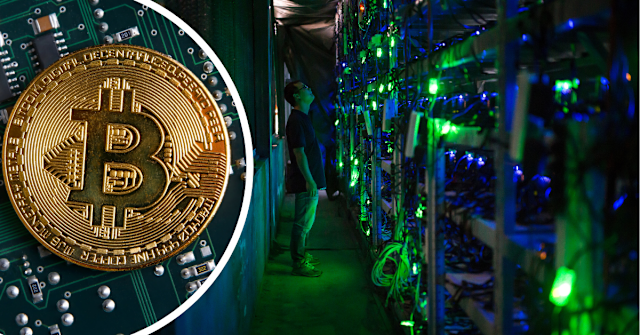
Bitcoin mining is the backbone of the Bitcoin network, providing security, transaction validation, and issuance of new coins. Since the inception of Bitcoin in 2009, mining has evolved from small hobbyist operations running on personal computers to large-scale industrial operations with specialized hardware, global energy considerations, and complex economic models. Understanding this evolution is crucial for anyone interested in Bitcoin’s long-term sustainability, decentralization, and network security.
As Bitcoin adoption grows, mining continues to be central to maintaining its decentralized, trustless system. Miners validate transactions, secure the blockchain, and ensure that new bitcoins are introduced according to the predictable supply schedule. However, the industry faces challenges related to energy consumption, environmental sustainability, and equitable participation, raising questions about its future trajectory.
The Early Days of Bitcoin Mining
Bitcoin mining started as a decentralized, hobbyist-driven activity. Initially, miners used standard CPUs to solve cryptographic puzzles and earn rewards. Early participants were motivated by curiosity and the potential to obtain Bitcoin at minimal cost.
Key characteristics of early mining:
- Accessibility: Anyone with a computer could participate.
- Low Energy Requirements: Standard CPUs and GPUs were sufficient.
- High Decentralization: Mining power was distributed across a small, global community.
These early miners laid the foundation for Bitcoin’s network security and helped bootstrap adoption, creating a robust, decentralized ledger with no central authority.
The Rise of Specialized Mining Hardware
As Bitcoin’s price increased, mining competition intensified, leading to the development of specialized hardware:
- ASICs (Application-Specific Integrated Circuits): Devices designed solely for Bitcoin mining, offering drastically higher efficiency and hash rates than CPUs or GPUs.
- Mining Pools: Groups of miners combining computational power to increase the probability of solving blocks and sharing rewards.
- Industrial Scale Operations: Large mining farms emerged, particularly in regions with cheap electricity, such as China (historically), Iceland, and the U.S.
While these developments increased mining efficiency and network security, they also raised concerns about centralization. Concentrated mining power can undermine Bitcoin’s decentralized ethos if a small number of entities control too much hash rate.
Sustainability Challenges
Bitcoin mining consumes significant energy, leading to debates about environmental impact:
- Energy Consumption: The Bitcoin network requires substantial electricity, comparable to the consumption of small countries.
- Carbon Footprint: Mining powered by fossil fuels contributes to greenhouse gas emissions.
- Local Resource Strain: In some regions, mining operations compete with residential and industrial energy demand.
However, trends are emerging that improve sustainability:
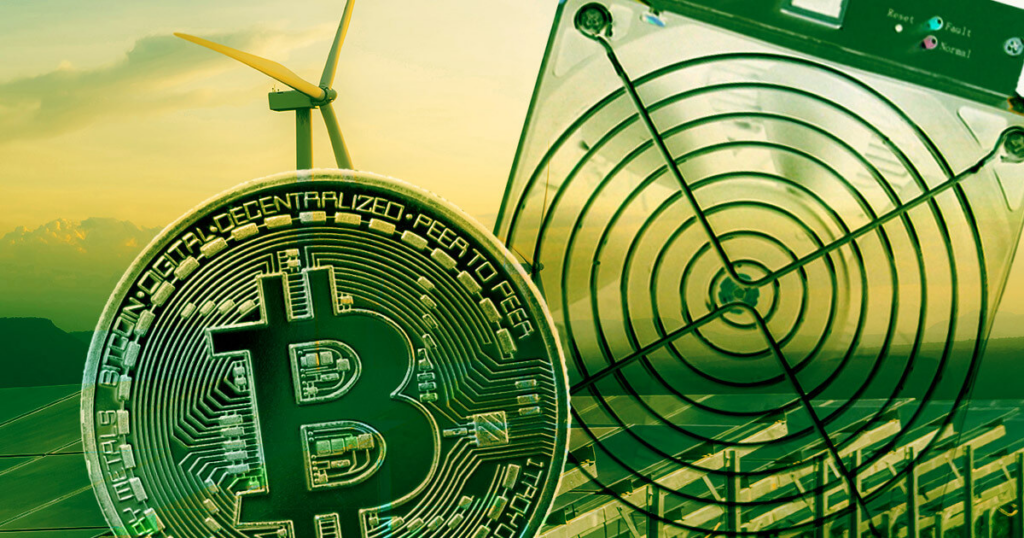
- Renewable Energy Adoption: Many miners now rely on hydroelectric, solar, and wind energy, reducing environmental impact.
- Energy Efficiency Innovations: Modern ASICs are more energy-efficient than earlier generations, producing more hash rate per unit of electricity.
Sustainability is increasingly central to the long-term viability and public perception of Bitcoin mining as an environmentally responsible industry.
Decentralization and Network Security
Decentralization is critical for Bitcoin’s security:
- Distributed Hash Power: A decentralized mining network ensures no single entity can manipulate transactions or execute a 51% attack.
- Global Participation: Mining across multiple countries reduces geopolitical risk and strengthens network resilience.
- Mining Pools and Governance: While pools provide consistent rewards, careful participation is required to prevent over-concentration of power.
Security and decentralization are intertwined; a secure network requires widespread participation and a robust distribution of mining power, ensuring that the system remains trustless and resistant to censorship.
Economic Dynamics of Mining
Mining economics play a significant role in shaping the network:
- Block Rewards and Transaction Fees: Miners earn rewards in the form of new bitcoins and transaction fees, incentivizing network participation.
- Mining Difficulty Adjustment: Bitcoin automatically adjusts mining difficulty every 2,016 blocks to maintain an average block time of 10 minutes, ensuring predictable issuance and network stability.
- Energy Costs vs. Bitcoin Price: Profitability is tied to electricity costs and market value, influencing geographic distribution and operational scale.
These economic factors determine where miners operate, how efficiently they run, and their influence on Bitcoin’s long-term sustainability.
Innovations in Sustainable Mining
The industry is actively pursuing greener, more sustainable solutions:
- Stranded Energy Utilization: Miners tap into energy that would otherwise be wasted, such as flared natural gas or off-grid hydroelectric sites.
- Carbon Credits and ESG Initiatives: Some operations participate in carbon offset programs, aligning with environmental standards.
- Integration with Grid Management: Mining farms can provide grid balancing services, consuming excess energy during peak production and reducing strain on local infrastructure.
Sustainable practices not only address environmental concerns but also improve public perception and regulatory acceptance of Bitcoin mining.
The Future of Mining and Network Security
Several trends are likely to shape the future of Bitcoin mining:
- Geographic Diversification: Political, environmental, and energy considerations will drive mining to more stable and sustainable regions.
- Technological Advancements: Next-generation ASICs, cooling systems, and energy-efficient infrastructure will reduce electricity consumption per hash.
- Regulatory Alignment: Governments may incentivize sustainable practices while imposing standards for energy usage and emissions.
- Continued Decentralization Efforts: Initiatives to prevent concentration of mining power will maintain network integrity and resilience.
These factors will determine the balance between profitability, sustainability, and decentralization in the coming years.
Mining’s Role in Bitcoin’s Ecosystem
Bitcoin mining is not just about generating new coins; it supports the entire ecosystem:
- Transaction Verification: Miners validate and secure all network transactions, ensuring accuracy and immutability.
- Network Security: Mining prevents double-spending attacks and secures the blockchain against malicious actors.
- Economic Incentives: Mining rewards create a predictable, transparent mechanism for Bitcoin issuance, reinforcing trust in the system.
The evolution of mining directly affects the stability, scalability, and adoption of Bitcoin as both a digital currency and a store of value.
Final Thoughts
Bitcoin mining has evolved from hobbyist activity into a complex, global industry, central to network security, decentralization, and digital scarcity. While sustainability and environmental concerns pose challenges, innovation in renewable energy, energy efficiency, and mining operations ensures that the ecosystem can continue to grow responsibly.
Decentralization remains a core principle, preventing single-entity control and preserving trust in the Bitcoin network. Economic incentives, mining pools, and technological advancements will continue shaping the future of mining, ensuring that Bitcoin remains secure, resilient, and functional for decades to come.
The evolution of Bitcoin mining highlights a critical truth: security, sustainability, and decentralization are interdependent. Miners, investors, and policymakers must work together to ensure that Bitcoin remains a robust, resilient, and environmentally conscious global network, capable of supporting the digital economy of the 21st century.